

How Do Zoning & Land-Use Restrictions Impact My Sale?
In Jackson Hole, zoning is not background noise — it is a primary value determinant. Limited developable land, wildlife corridors, and conservation overlays shape what can be built, expanded, or legally utilized. Sellers who understand zoning are better positioned to market property accurately, avoid misrepresentation, and capture value.
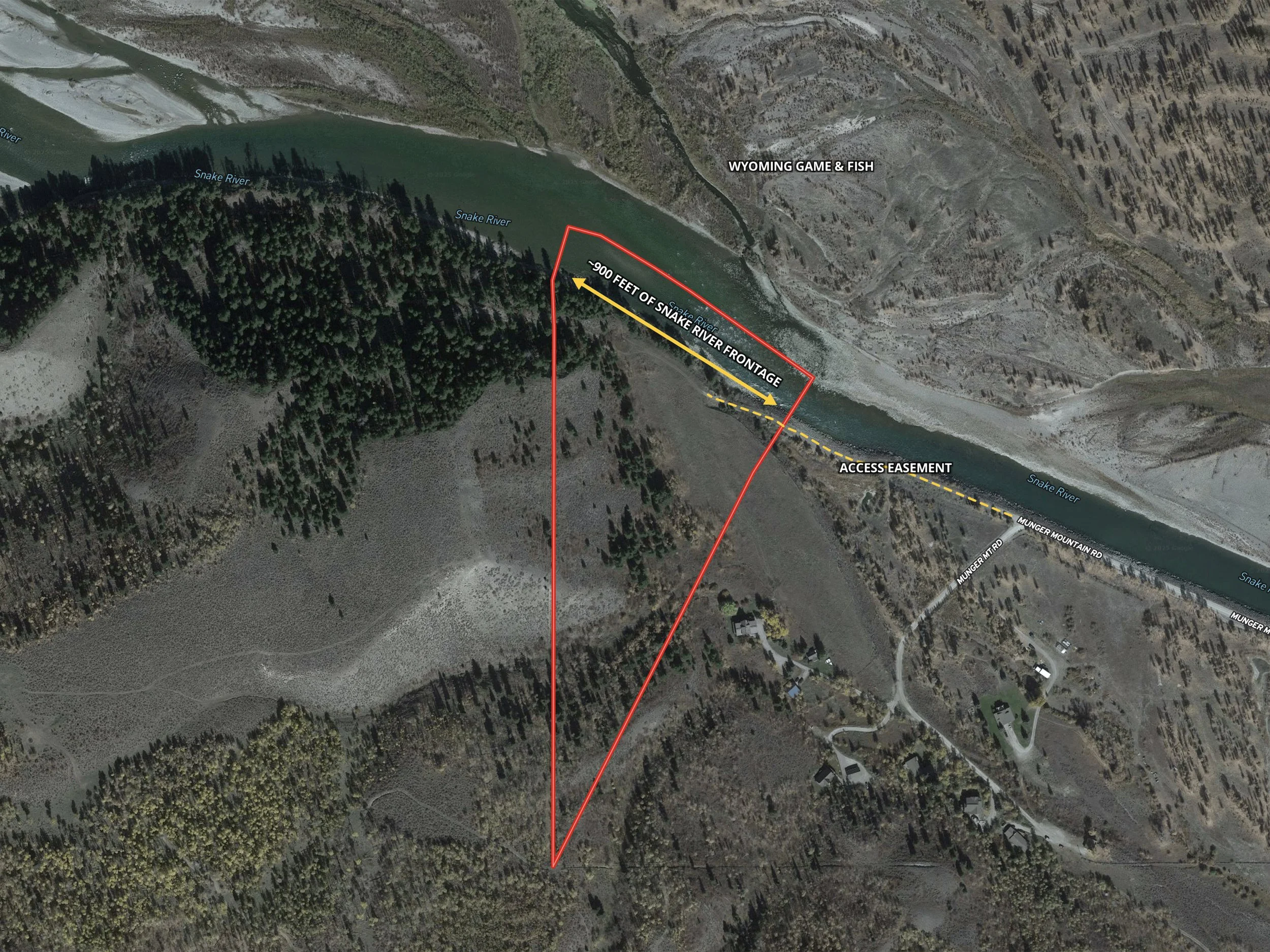
Views, location, and zoning all make a difference in pricing.
Key zoning considerations affecting property value include:
1. Density & build-out rights
Allowed square footage, accessory residential units (ARUs), detached garages, guest quarters, and height limitations directly influence demand. Buyers often evaluate listings based on potential — not just existing footprint.
2. Rental allowance and restrictions
Short-term rental zoning is highly sought-after around Teton Village and select Jackson neighborhoods. Conversely, areas outside rental zones trade more heavily on privacy, land preservation, and long-term residential appeal.
3. Conservation easements and wildlife overlays
These can restrict fencing, land disturbance, and building placement — but also increase aesthetic and ecological value when properly marketed to conservation-minded buyers.
4. Water rights, well/septic placement, and utilities
Especially relevant on acreage or development parcels. Clarity here attracts serious buyers and reduces contract volatility.
Two identical parcels can vary dramatically in value based on zoning alone — especially in a supply-limited valley. Proper valuation communicates not just what is there, but what is possible.
As a real estate professional specializing in Jackson Hole land and residential sales, I evaluate zoning overlays, ARU potential, and build-out paths prior to listing. Opportunity sells — when accurately defined.
Want to know more? Check out my insights on land buyers and disclosures.
Request a zoning evaluation for your property - get in touch!