

How Much Does Architectural Design Influence Resale Value?
Architecture is not merely aesthetic — it is equity. In Jackson Hole, where modern mountain design, glass-and-steel geometry, and legacy timber construction all attract distinct buyer markets, architecture directly impacts resale performance. Homes designed by notable architects often achieve higher price-per-square-foot due to design pedigree and collectible status.
Architectural influence shows up in three primary profitability drivers:
1. Differentiation in a limited-supply market
When land is finite, architecture becomes the standout variable. Buyers are willing to pay more for originality, intentional light paths, material quality, and sculptural form.
2. Emotional value + narrative strength
A home with architectural identity is easy to remember — and difficult to compare. Distinct aesthetics can reduce negotiation pressure by eliminating direct competition.
3. Long-term cultural demand
Design-forward homes appreciate differently. As modern mountain architecture continues to define luxury markets in the West, resale value tracks with desirability rather than size alone.
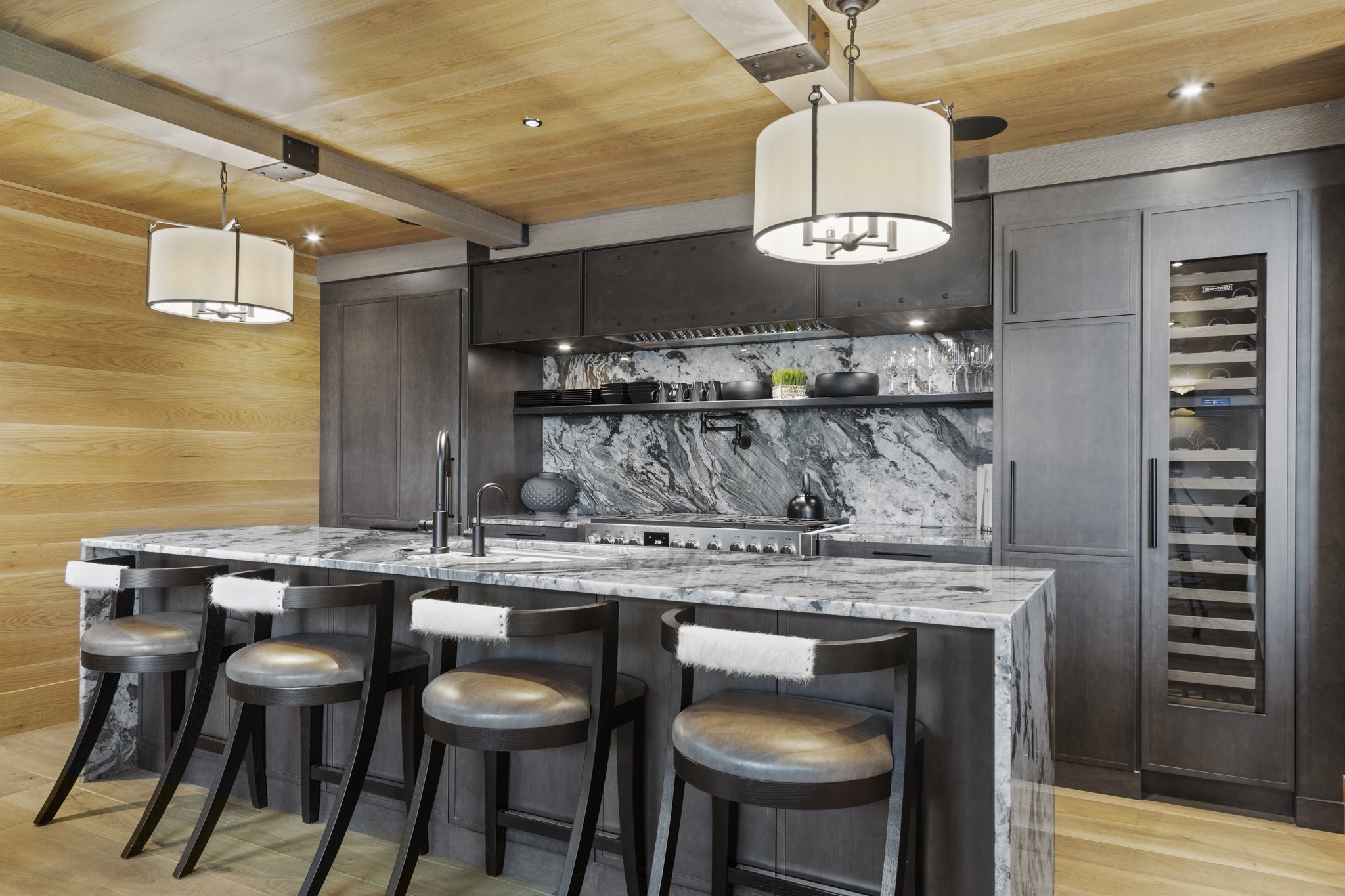
Modern masterpiece home in downtown Jackson Hole, Wyoming.
Not all design is equal — but exceptional design endures. Homes with integrated landscape connection, natural material expression, passive solar strategy, and thoughtful indoor-outdoor flow perform stronger over time than those built for volume alone.
If your property carries architectural distinction, marketing must highlight it with precision — materials, concept, light, views, and design story. Architecture is an asset class. Present it as one.
Want to know more? Check out my articles on lifestyle appeal and investment potential.
Request a design forward valuation to see equity impacts.